Starting a freelance career can seem intimidating when you have little or no professional experience. You may wonder how to get clients if you don’t have a portfolio or how to compete with freelancers who already have hundreds of positive reviews.
The truth is, every successful freelancer started as a beginner. With the right strategy, you can build your skills, create a strong portfolio, land your first client, and grow a profitable freelance business—even if you’re starting from scratch.
In this guide, you’ll learn the exact steps to start freelancing with no experience in 2026.
What Is Freelancing?
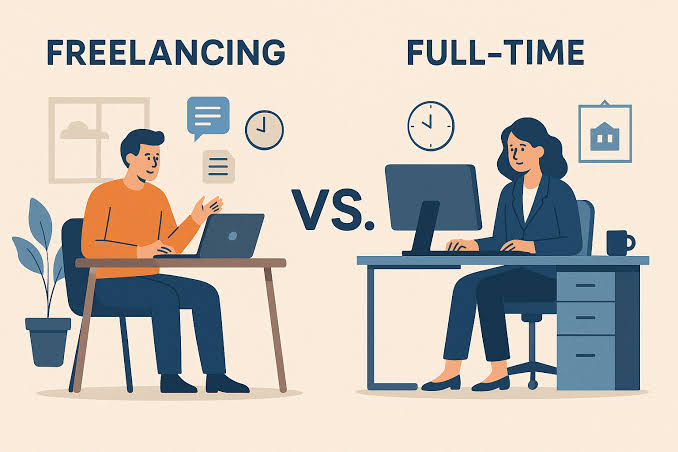
Freelancing means working independently and offering your services to clients instead of being employed by a single company.
Freelancers usually work on projects or contracts and often choose their own clients, schedule, and rates.
Common freelance services include:
- Content writing
- Graphic design
- Video editing
- Web development
- SEO
- Virtual assistance
- Social media management
- Translation
- Voice-over services
- Data entry
Step 1: Choose One Skill to Focus On
One of the biggest mistakes beginners make is trying to offer too many services.
Instead, choose one skill and become good at it.
Popular freelance skills include:
- SEO content writing
- Copywriting
- Graphic design
- WordPress development
- Web design
- Video editing
- Social media management
- Email marketing
- Virtual assistance
- AI prompt writing
Specializing helps you stand out and makes it easier for clients to understand what you offer.
Step 2: Learn the Skill
You don’t need a university degree to become a freelancer, but you do need the ability to deliver quality work.
Use free and paid learning resources such as:
- YouTube tutorials
- Online courses
- Industry blogs
- Documentation
- Practice projects
The goal is to build practical skills that solve real problems for clients.
Step 3: Create Sample Projects
If you don’t have client work to showcase, create your own examples.
For instance:
A writer can publish sample blog posts.
A graphic designer can design fictional logos and brand kits.
A web developer can build demo websites.
A video editor can create sample promotional videos.
Well-crafted samples demonstrate your abilities even without paid experience.
Step 4: Build a Portfolio
Your portfolio shows potential clients what you can do.
Include:
- Your best sample projects
- Services you offer
- Skills
- Short project descriptions
- Contact information
Keep your portfolio clean, organized, and easy to navigate.
Step 5: Set Up Freelance Profiles
Join trusted freelance marketplaces where clients actively look for talent.
Popular platforms include:
- Fiverr
- Upwork
- Freelancer.com
- Toptal (for experienced professionals)
- PeoplePerHour
Complete your profile with:
- A professional photo
- A strong bio
- Relevant skills
- Portfolio samples
- Clear service descriptions
Step 6: Set Competitive Prices
As a beginner, your initial goal is to build trust and gain experience.
Start with competitive pricing while delivering exceptional quality.
As you collect positive reviews and improve your skills, gradually increase your rates to reflect the value you provide.
Avoid charging extremely low prices simply to win projects, as this can undervalue your work and make it harder to raise your rates later.
Step 7: Apply for Jobs Consistently
Finding your first client takes persistence.
When applying for jobs:
- Read the project description carefully.
- Personalize each proposal.
- Explain how you can solve the client’s problem.
- Keep your proposal concise and professional.
- Highlight relevant samples from your portfolio.
Quality applications usually perform better than sending the same proposal to dozens of clients.
Step 8: Deliver Outstanding Work
Your first few clients are especially important because they help build your reputation.
Always:
- Meet deadlines
- Communicate clearly
- Follow instructions
- Be open to feedback
- Deliver polished work
Satisfied clients are more likely to leave positive reviews and hire you again.
Step 9: Ask for Reviews
Positive reviews increase your credibility and make it easier to win future projects.
After successfully completing a project, politely ask your client to leave honest feedback if they’re satisfied with your work.
Strong reviews can significantly improve your chances of getting hired again.
Step 10: Keep Improving Your Skills
Freelancing is competitive, so continuous learning is essential.
Stay current by:
- Learning new tools
- Following industry trends
- Practicing regularly
- Updating your portfolio
- Expanding your expertise
The better your skills become, the more valuable you’ll be to clients.
Common Mistakes Beginners Should Avoid
Many new freelancers slow their progress by making avoidable mistakes, including:
- Offering too many services
- Copying other freelancers’ profiles
- Sending generic proposals
- Missing deadlines
- Ignoring communication
- Underestimating project requirements
- Giving up too quickly
Learning from these mistakes can save you time and help you build a stronger reputation.
Best Platforms for Beginners
If you’re new to freelancing, these platforms are great places to start:
| Platform | Best For |
|---|---|
| Fiverr | Beginners offering fixed-price services |
| Upwork | Long-term projects and professional clients |
| Freelancer.com | Competitive bidding on a wide range of jobs |
| PeoplePerHour | Freelancers in creative and technical fields |
| Networking and finding direct clients |
Each platform has its own strengths, so choose the one that best fits your skills and goals.
Tips to Land Your First Freelance Client Faster
To increase your chances of getting hired:
- Build a polished portfolio.
- Apply for jobs every day.
- Customize every proposal.
- Focus on solving client problems.
- Respond quickly to inquiries.
- Deliver high-quality work consistently.
- Continue learning and improving.
Small, consistent efforts often lead to long-term success.
Final Thoughts
Starting freelancing with no experience may seem challenging, but it’s entirely possible with the right approach.
Focus on developing one valuable skill, creating strong sample projects, building a professional portfolio, and consistently applying for opportunities. Every completed project helps you gain experience, earn reviews, and build credibility.
Remember, every successful freelancer started where you are now. Stay patient, keep improving, and treat each project as an opportunity to grow your reputation and career.
Frequently Asked Questions
Can I start freelancing without experience?
Yes. Many freelancers begin with sample projects, personal work, or volunteer projects before landing their first paying clients.
What is the easiest freelance skill to learn?
Skills such as content writing, virtual assistance, data entry, social media management, and basic graphic design are common entry points, but the best choice depends on your interests and willingness to learn.
How long does it take to get your first client?
There’s no fixed timeline. Some freelancers find work within days, while others may take several weeks or months. Consistent applications and a strong portfolio improve your chances.
Do I need a website to start freelancing?
No. While a personal website can enhance your credibility, you can begin by using freelance platforms like Fiverr and Upwork along with a well-prepared portfolio.